
Understanding coffee market prices in Kenya
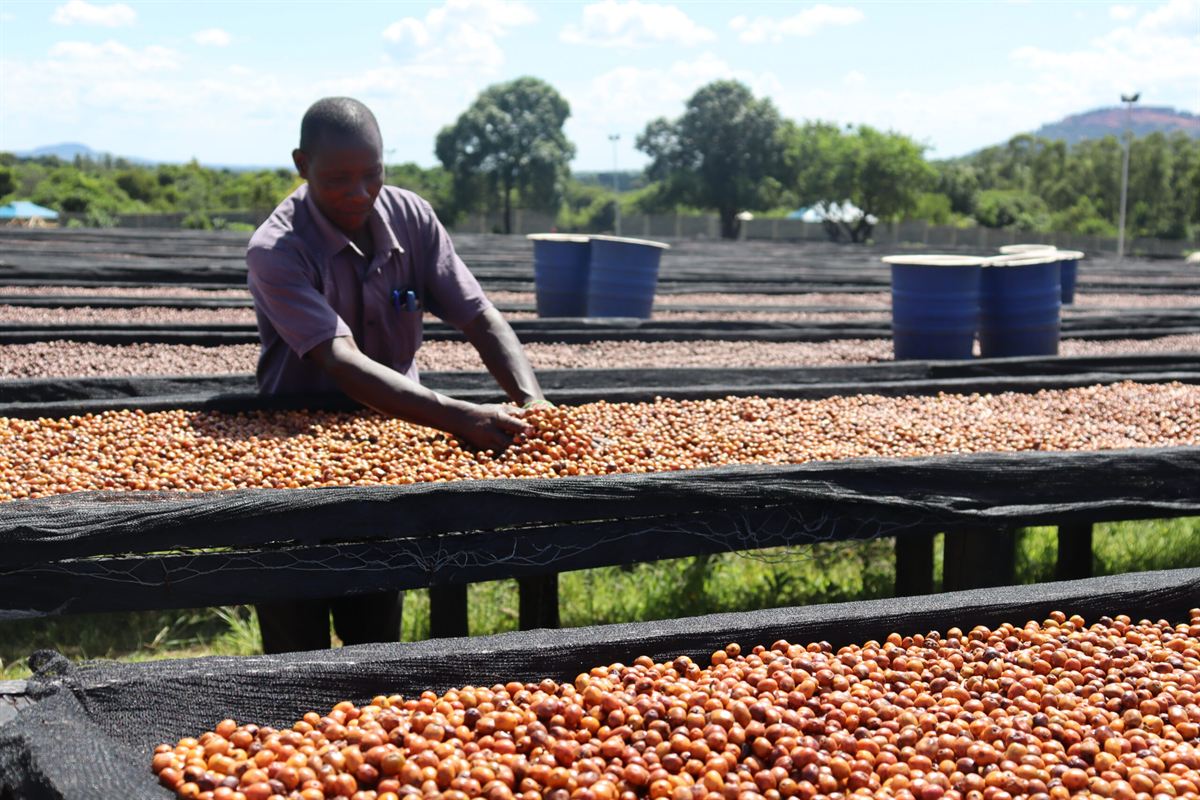
Ask three people why coffee prices move and you will get three different answers. The truth is that a single bag of coffee carries many prices at once, a world price, a quality price, and a price set by whoever you sell to. Understanding the difference is worth real money to a farmer.
1. The global market sets the base
Coffee is traded internationally, so world supply and demand move the baseline for every farmer. When global production falls or demand rises, prices climb. No single farmer can change this, but you can understand it and plan around it.
2. Quality decides your share
Within that global baseline, quality decides how much you personally earn. Careful picking, proper processing and clean storage protect the value of your harvest. A well-handled lot can command a large premium over an average one, the same tree, treated differently.
3. Middlemen take a cut for the same coffee
When coffee passes through several hands, each buyer takes a margin. By the time the exporter pays, the farmer has often lost a big part of the value. Selling directly removes those layers. That is why KORU buys straight from the farmer who grew the crop.
4. Know your selling options
Cooperatives offer structure and shared services. Direct buyers like us offer a higher share but need volume and quality. There is no single "right" route, there is the route that pays fairly and treats you like a partner rather than a supplier.
5. Stability comes from agreements, not luck
The most important shift is moving from hoping for a good price to agreeing one in advance. With a contract, you know before harvest what your coffee will earn. Predictability turns coffee from a gamble into an income.
Want a buyer who agrees the price up front?
We buy directly at transparent prices and pay straight to your account.
Register as a farmer